
U.S. bishop joins Slovaks honoring blessed bishop tortured by communists
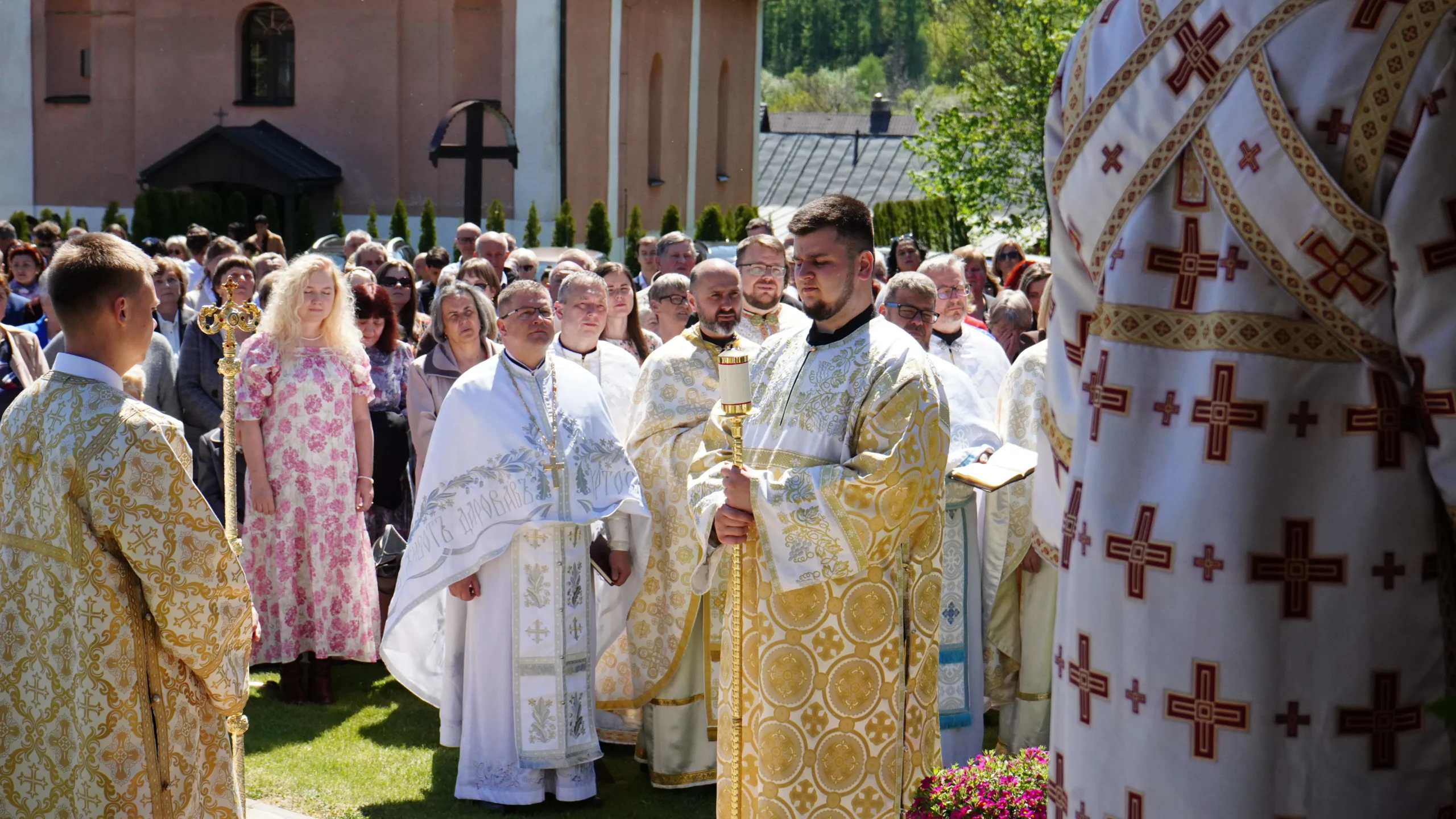
Hundreds of Greek Catholic faithful gathered in the eastern Slovak village of Hrabské on May 10 to mark the 50th anniversary of the death of Blessed Vasiľ Hopko, a bishop imprisoned and tortured by the communist regime in Czechoslovakia.
The archieparchial celebration was held in Hopkoʼs birthplace on the eve of the anniversary of his episcopal consecration on May 11, 1947. The blessed bishop died on July 23, 1976, his health broken by years of incarceration and torture.
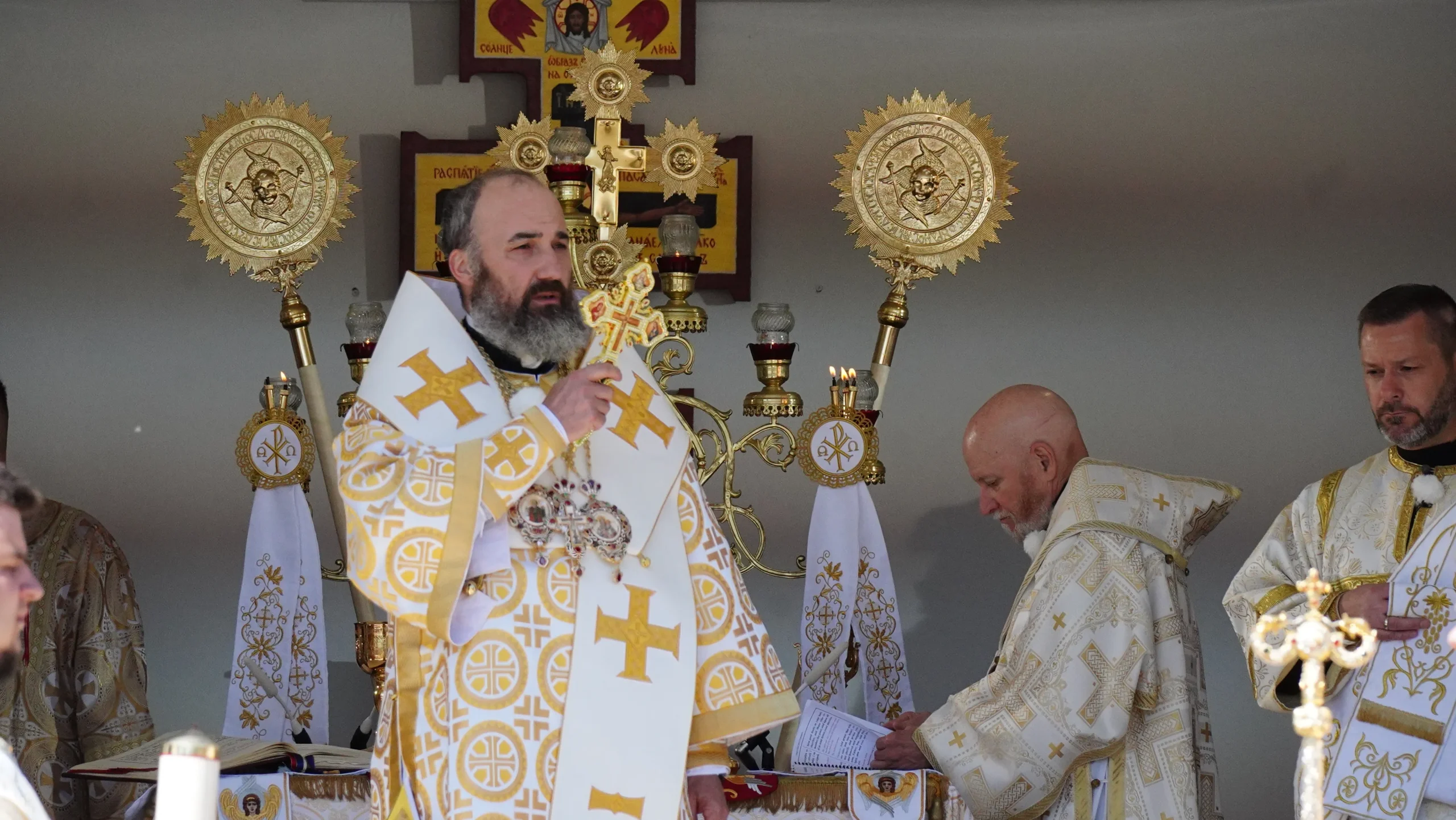
Metropolitan Archbishop Jonáš Maxim of Prešov presided over the hierarchical Divine Liturgy, concelebrated by Bishop Kurt Burnette of the Byzantine Catholic Eparchy of Passaic, New Jersey, who is currently on a pastoral visit to Europe. Burnette also serves as apostolic administrator of the Exarchate of Sts. Cyril and Methodius of Toronto for Slovaks of the Byzantine rite. More than 30 priests concelebrated, and religious sisters and laypeople from across the region attended.
‘He did not search for glory’
In his homily, Maxim drew on the testimony of Father Atanáz Pekár, OSBM, who described Hopko as a bishop who never sought glory, never demanded justice for himself, and forgave everyone.
“In todayʼs Church and in Slovakia, there are still people who seek their own glory and not Christʼs — may God be merciful to them,” Maxim warned.
The archbishop recalled that in 1968, Hopko wrote to the Czechoslovak government requesting the reestablishment of the Greek Catholic Church, which had been dissolved at the so-called Sobor of Prešov — a staged assembly orchestrated by the communist regime in 1950. Hopko sought justice for his Church, not for himself, Maxim said, quoting from the letter: “We are not dead. We live and we want to live! We claim all the rights we had in the past… Please take it for granted that we have never, not even for a moment, given up our rights.”
Maxim described Hopko as “highly educated and wise,” a man who “suffered a lot” yet “remained an ordinary, simple, and humble person” and “a sincere lover of his nation.” The metropolitan called him “a saint.”
Bishop Burnette: Freedom brings its own dangers
Burnette, addressing the pilgrims at the close of the liturgy, praised Hopko as a man who remained faithful to the word of God and to the pope during the harshest years of communism. He warned that in the present day, when there is no restriction on religious freedom, the pursuit of power and money makes people even less free.
On the same day, Bishop Milan Lach of the Eparchy of Bratislava celebrated a separate Divine Liturgy in Hopkoʼs memory in Brezno.
A life of suffering and fidelity
Vasiľ Hopko was born on April 21, 1904, in Hrabské in what is now eastern Slovakia. He was consecrated a bishop of the Eparchy of Prešov on May 11, 1947, as Soviet pressure on the Greek Catholic Church intensified.
After the Sobor of Prešov in 1950 — at which the communist regime declared the Greek Catholic Church dissolved and transferred its assets to the Russian Orthodox Church — Hopko was arrested on April 28, 1950. He was imprisoned, starved, and tortured.
Released in 1964 in broken health, he was transferred to a care home. After the Prague Spring of 1968, the Greek Catholic Church was legally restored, and Hopko resumed episcopal ministry, encouraging the faithful, ordaining priests, and rebuilding Church life despite his frailty.
Hopko died on July 23, 1976, in Prešov. His remains are interred in the Cathedral of St. John the Baptist in Prešov. St. John Paul II beatified him at a ceremony in Bratislava on Sept. 14, 2003.
The liturgy was broadcast live on the Slovak public broadcaster STVR.